The architects of Google's AI just quit to automate all of science
Four of Google's most senior AI researchers left to found Discovery Loop, a startup betting that AI can run scientific experiments on its own — and where those researchers place their careers tells you where AI is really heading.
- 27
- years Jeff Dean spent at Google
- 4
- senior AI researchers who left at once
- ~5%
- drop in Alphabet's share price on the news
- Radical Ventures & Khosla Ventures
- Discovery Loop's lead investors
On August 5, Google confirmed that four of its most important AI researchers are leaving. Jeff Dean, who spent 27 years at Google and helped build everything from Search infrastructure to Gemini, is co-founding a new startup called Discovery Loop. He's joined by Sanjay Ghemawat, Oriol Vinyals, and Quoc Le — all senior architects of the systems that made Google's AI what it is today.
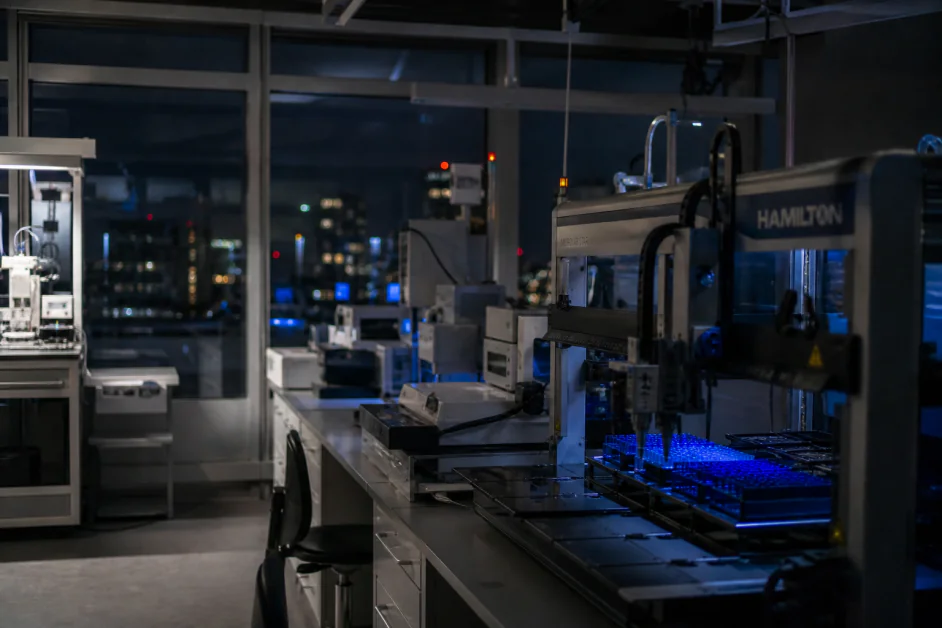
Discovery Loop's goal is to automate science itself. The idea is simple: scientific progress is slow not because researchers lack skill, but because there aren't enough of them to run enough experiments fast enough. If an AI can design, run, and learn from experiments on its own, discovery could move dramatically faster. The company is starting with machine-learning research, then plans to tackle drug discovery, chip design, and clean energy.
The funding backing Discovery Loop is serious. Radical Ventures and Khosla Ventures co-led the round, joined by Lightspeed, Kleiner Perkins, and Alphabet itself — which also gives the new company a year of free cloud computing. Alphabet's stock fell about 5% on the day of the announcement, to $362.31, a sign that markets saw these departures as a real loss, not a routine reshuffle.
The clearest takeaway for founders and builders: the people with the deepest knowledge of modern AI are betting their next decade on autonomous scientific research, not on better chatbots. The race to automate discovery has begun. Whether that delivers breakthroughs in medicine, energy, or AI itself, the researchers who know these systems best think it is the most important problem to work on right now.